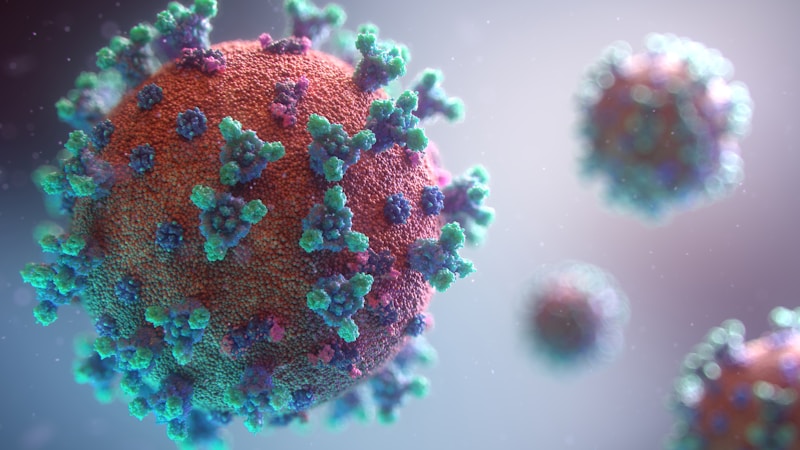
Dengue is a major health concern in the Philippines, especially during rainy season. Know the symptoms, warning signs, and how to protect your family from this mosquito-borne disease.

Dengue in the Philippines: A Persistent Threat
Every year, the Philippines battles one of its most persistent public health enemies: dengue fever. This mosquito-borne viral infection affects hundreds of thousands of Filipinos annually, with the Department of Health recording over 400,000 cases in recent peak years. Children and young adults are particularly vulnerable, making dengue a family-wide concern.
The disease is caused by the dengue virus, transmitted through the bite of infected Aedes aegypti and Aedes albopictus mosquitoes. Unlike common mosquitoes that bite at night, these species are aggressive daytime biters, with peak biting periods in the early morning and late afternoon.
"Dengue is preventable. The key is community action—every household must eliminate mosquito breeding sites. One uncovered drum of water can produce hundreds of mosquitoes and potentially infect an entire neighborhood." — Department of Health Philippines
Understanding the Dengue Virus
There are four distinct serotypes of dengue virus (DENV-1, DENV-2, DENV-3, and DENV-4). Infection with one serotype provides lifelong immunity to that specific type, but only short-term protection against the others. This means a person can potentially be infected with dengue four times in their lifetime.
Importantly, a second infection with a different serotype carries a higher risk of developing severe dengue—a potentially life-threatening complication. This is why prevention remains critical even if you've had dengue before.
📊 Dengue Incubation and Timeline
- Incubation period: 4-10 days after infected mosquito bite
- Febrile phase: Days 1-3 (high fever, body aches)
- Critical phase: Days 3-7 (when severe dengue may develop)
- Recovery phase: Days 7-10 (gradual improvement)
- Full recovery: Usually within 2-4 weeks
Recognizing Dengue Symptoms
Dengue symptoms typically appear 4-10 days after being bitten by an infected mosquito. The illness usually begins suddenly with high fever accompanied by at least two of the following:
Common Dengue Symptoms
- High fever (40°C/104°F): Often described as "breakbone fever" due to its intensity
- Severe headache: Particularly intense frontal headache
- Pain behind the eyes (retro-orbital pain): Worsens with eye movement
- Muscle and joint pains: Can be severe and debilitating
- Nausea and vomiting: Appetite loss is common
- Swollen glands: Lymph nodes may be enlarged
- Skin rash: Appears 2-5 days after fever onset, often described as "islands of white in a sea of red"
- Mild bleeding: Nose bleeds, gum bleeding, or easy bruising

Dengue in Children
Children may show different or less specific symptoms:
- Fever that may be lower than in adults
- Irritability or unusual drowsiness
- Loss of appetite and refusal to eat or drink
- Abdominal pain
- Rash that looks like measles
- Runny nose or cough (may be mistaken for common cold)
🚨 Warning Signs of Severe Dengue - Seek Emergency Care Immediately
The critical phase typically occurs as fever subsides (usually around day 3-7). Watch for these dangerous warning signs:
- Severe abdominal pain or persistent tenderness
- Persistent vomiting (3 or more episodes in 24 hours)
- Rapid breathing or difficulty breathing
- Bleeding: Blood in vomit (looks like coffee grounds), black tarry stools, bleeding from gums or nose that won't stop
- Extreme fatigue, restlessness, or irritability
- Pale, cold, or clammy skin
- Drowsiness or confusion
- Unable to drink fluids
Severe Dengue: Understanding the Danger
Severe dengue (previously called dengue hemorrhagic fever or dengue shock syndrome) is a potentially fatal complication that occurs in approximately 1-5% of dengue cases. It involves:
- Plasma leakage: Fluid leaks from blood vessels into body cavities
- Severe bleeding: Due to low platelet count and blood vessel damage
- Organ impairment: Liver, heart, and other organs may fail
- Shock: Dangerously low blood pressure as fluid leaks from circulation
With proper medical care, mortality from severe dengue can be reduced from over 20% to less than 1%. This is why early recognition of warning signs and prompt medical attention are absolutely critical.
Home Care for Dengue: What to Do and What to Avoid
Most dengue cases can be managed at home with supportive care. However, close monitoring is essential, especially during the critical phase.
Do:
- Rest completely: The body needs energy to fight the infection
- Stay hydrated: Drink plenty of fluids—oral rehydration solutions (ORS), water, coconut water, fruit juices, rice porridge (lugaw). Aim for at least 5 glasses more than usual daily.
- Take paracetamol (acetaminophen): For fever and pain relief. Follow dosing instructions carefully.
- Monitor temperature: Check every 4-6 hours and record it
- Watch for warning signs: Monitor constantly, especially during days 3-7
- Use mosquito nets: Prevent mosquitoes from biting and spreading the virus to others
- Track fluid intake and urine output: Decreased urination may indicate dehydration
⚠️ Important: Medications to AVOID
- Aspirin: Increases bleeding risk
- Ibuprofen (Advil, Motrin): Increases bleeding risk
- Naproxen (Aleve): Increases bleeding risk
- Any NSAIDs: Non-steroidal anti-inflammatory drugs worsen bleeding tendency
- Steroids: Unless specifically prescribed by your doctor
Only take paracetamol for fever and pain management.

Prevention: The 4S Strategy Against Dengue
The Department of Health's 4S strategy provides a framework for dengue prevention that every Filipino household should follow:
1. Search and Destroy Breeding Sites
Aedes mosquitoes breed in clean, stagnant water found in and around homes. Conduct weekly inspections and eliminate these common breeding sites:
- Water containers: Drums, pails, flower vases, plant saucers
- Discarded items: Old tires, cans, bottles, coconut shells
- Roof gutters: Clogged gutters trap water
- Air conditioning drip trays: Empty and clean weekly
- Pet water bowls: Change water daily
- Refrigerator drip pans: Check and clean regularly
- Toilet tanks and bowls: Keep covered or treated
✅ Breeding Site Elimination Checklist
- Cover all water storage containers tightly
- Change water in vases and plant dishes weekly
- Turn over empty pails and containers
- Dispose of or puncture old tires
- Clear roof gutters of debris
- Clean and scrub container walls to remove eggs
- Use larvicide (abate) in water containers that cannot be emptied
2. Self-Protection Measures
- Wear protective clothing: Long sleeves and pants, especially during peak biting hours (early morning and late afternoon)
- Use insect repellent: Apply DEET-based or picaridin repellent on exposed skin
- Install screens: On windows and doors to keep mosquitoes out
- Use mosquito nets: Especially for infants, elderly, and sick family members
- Use electric mosquito zappers or repellent devices
3. Seek Early Consultation
If you or a family member develops fever, don't wait for other symptoms to appear. Early medical consultation allows for:
- Proper diagnosis through NS1 antigen test (effective in first 3 days) or dengue antibody test
- Baseline blood tests to monitor platelet count and hematocrit
- Education on warning signs to watch for
- Appropriate treatment and monitoring plan
4. Support Fogging and Spraying
Cooperate with and support barangay and municipal vector control efforts:
- Allow fogging teams access to your property
- Participate in community clean-up drives
- Report dengue cases to your barangay health center
- Join community awareness campaigns
Laboratory Tests for Dengue
Several tests help diagnose dengue and monitor its severity:
- NS1 Antigen Test: Detects dengue virus in first 1-3 days of fever; highly specific
- Dengue IgM/IgG Antibody Test: Detects immune response; useful after day 5
- Complete Blood Count (CBC): Monitors platelet count (thrombocytopenia) and hematocrit (rising levels indicate plasma leakage)
- Liver function tests: May show elevated enzymes in severe cases
When to Go to the Hospital
Hospital admission is recommended if:
- Any warning signs of severe dengue are present
- Platelet count drops below 100,000/μL with rising hematocrit
- Patient cannot take adequate oral fluids
- Significant bleeding occurs
- Patient has comorbidities (diabetes, heart disease, pregnancy)
- Social circumstances prevent adequate home care and monitoring
Recovery and Aftercare
Most people recover fully from dengue within 2-4 weeks. During recovery:
- Continue resting until energy fully returns
- Maintain good nutrition with soft, easily digestible foods
- Stay hydrated but avoid excessive fluids once fever resolves
- Avoid strenuous activity for 2-4 weeks
- Watch for delayed complications (rare but possible)
- Follow up with your doctor as scheduled
"The best time to prevent dengue is before the rainy season begins. Make mosquito prevention a year-round habit, and you protect not just your family but your entire community." — Dr. Roberto Lim, Infectious Disease Specialist
Protecting Your Family
Dengue is a community disease—one infected person can spread the virus to others through mosquitoes. By taking prevention seriously, you protect not just your household but your neighbors, your barangay, and the entire community.
Make dengue prevention a family affair. Teach children about mosquito breeding sites. Schedule weekly "Dengue Day" clean-ups. Together, we can reduce the burden of this preventable disease.
Remember: When it comes to dengue, prevention is always better than cure. Start protecting your family today.
Dr. Roberto Lim
Infectious Disease SpecialistContributing writer at doktor.ph, dedicated to providing accurate and helpful health information for Filipinos.


